
Skip to content

Wisconsin Statewide Organic Strategy Summit

Date: Friday, November 20, 2026

Food & Farm Exploration Center, Plover, WI (*near Stevens Point)

Event Purpose

The summit purpose is to bring together organic stakeholders from every segment of Wisconsin’s organic value chain to review findings from Wisconsin Organics’ new State of Wisconsin’s Organic Market 2026 baseline report and collaboratively design the core components of the first‑ever Wisconsin Statewide Organic Strategy for 2027–2029.

Objectives of Event

  1. Develop and refine a shared vision, goals, and set of strategic priority objectives for Wisconsin’s organic sector—grounded in Wisconsin Organics’ State of Wisconsin’s Organic Market 2026 analysis—with a specific focus on organic supply chain coordination, infrastructure investment, market development, and policy advancement.

  2. Multi-stakeholder Participation: Ensure the Wisconsin Statewide Organic Strategy is shaped by a broad, inclusive, multi‑stakeholder group, with meaningful participation from underrepresented producers and communities.

  3. Plan clear three‑year targets, priority initiatives, and policy recommendations that can be endorsed and advanced by the Wisconsin Statewide Organic Community of Practice (CoP), the Department of Agriculture, Trade and Consumer Protection (DATCP), and other collaborating partners, with broad multi‑stakeholder participation and visible validation through stakeholder endorsements and formal sign‑on.

Intended Audience

Farmers
Organic Farmers/Producers

Organic farmers and producers in Wisconsin who are seeking clearer market pathways, technical support, and strategic alignment to scale up organic production.

Retailers
Retailers & Food Cooperatives

Retailers and food cooperatives that carry or want to expand organic product lines and need a statewide strategy to strengthen sourcing, merchandising, and consumer education.

Handlers
Organic Handlers, Aggregators & Distributors

Organic handlers and manufacturers (processors, aggregators, distributors) that need a more robust, coordinated supply base and clear signals about investment opportunities in the organic value chain.

Researchers
Researchers and Extension Professionals

Researchers and extension professionals focused on organic agriculture who gain a shared agenda for applied research, on‑farm trials, and knowledge transfer aligned with industry needs.

Certification Agencies (1)
Organic Certification Agencies

Organic certification agencies working in Wisconsin that benefit from closer coordination with producers, handlers, and policymakers to address certification barriers and improve compliance and communication.

By convening these groups to co‑design the 2027–2029 Statewide Organic Strategy, the summit helps all participants by creating a shared roadmap to identify gaps, coordinate resources, and target economic development efforts in the organic sector over the next three years.

Expected Outcomes

A draft co‑created Wisconsin Organic Strategy 2027–2029 framework including:

  • Agreed upon draft goal, strategic objectives and measurable targets and indicators

  • Priorities: A short list of priority initiatives and policy directions across production,

    processing, distribution, markets, and policy.

  • Documented input and endorsements (or preliminary commitments to endorse)

Stronger relationships and shared ownership among participants, positioning the Wisconsin Statewide Organic Community of Practice COP as the ongoing hub for strategy implementation, monitoring, and future updates.

Core Strategic Design Areas

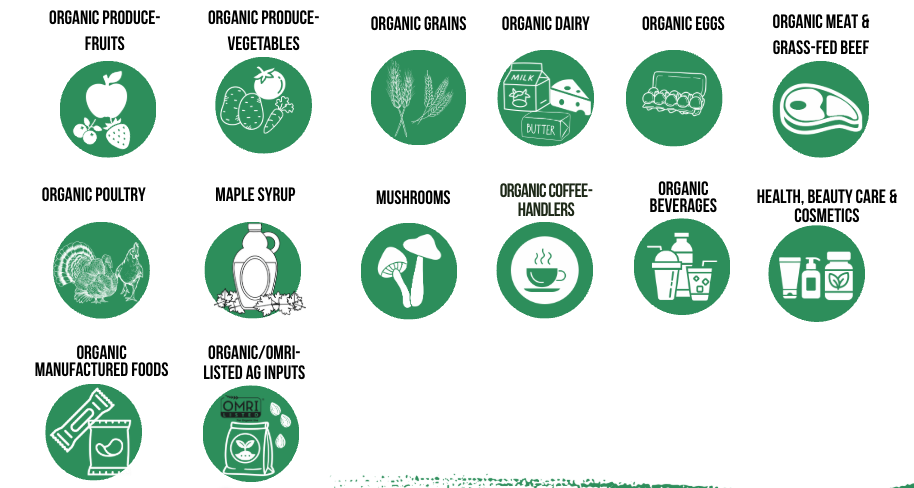
Screenshot 2026-07-17 at 4.25.16 PM

Wisconsin’s Organic Strategy will be organized around core strategic design areas by both key organic commodity groups and cross‑cutting system functions. At the commodity level, the strategy will outline tailored priorities for organic fruits, organic vegetables, organic grains, organic eggs, organic meat and grass‑fed beef, organic poultry, maple syrup, mushrooms, organic coffee handlers, organic beverages, health, beauty care and cosmetics, organic manufactured foods, and organic and OMRI‑listed agricultural inputs.

These commodity‑specific focus areas will guide investment, technical assistance, and market development efforts that respond to the needs, opportunities, and infrastructure gaps within each segment of Wisconsin’s organic economy.

Cross-Cutting Areas

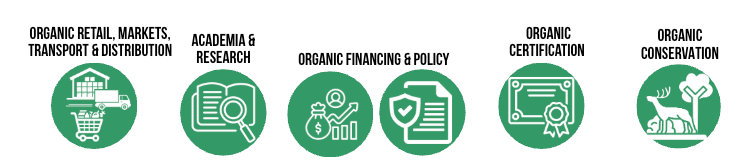
Screenshot 2026-08-24 at 10.58.58 AM

Complementing the commodity focus, the strategy will also define cross‑cutting strategic design areas that shape the entire organic ecosystem: retail, transport and distribution, organic markets, data and monitoring, academia and research, organic financing, policy, and organic certification. By pairing commodity‑specific priorities with these system‑wide domains, the Wisconsin Organic Strategy will provide a coherent framework to coordinate actions, align partners, and drive measurable progress across the full organic value chain.

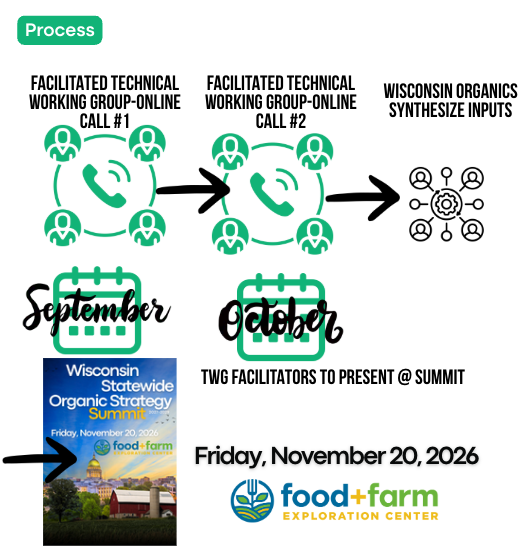
Strategy Preparation: Technical Working Group Online Calls

Wisconsin’s Organic Strategy is structured around key organic commodity groups and cross-cutting systems’ functions. Before developing the strategy, we will establish a shared understanding of the process and identify preliminary priorities within each area.
This preparation will begin with recruiting diverse focal individual participants for commodity-specific online technical working groups (TWGs) that have the group expertise and experience and accurately represent Wisconsin’s organic sector. Targeted outreach will engage small- and medium-sized organic and transitioning farms, as well as larger organic businesses and brands. 


Below you will find key facilitators in each commodity category who will help guide the statewide strategy process and present it at the summit. Individuals may participate in more than one call or commodity group, as relevant to their experience. We anticipate scheduling no more than two calls per commodity or category group to support an efficient process. Each technical working group will aim for a minimum of five participants, with an ideal membership of 10 or more individuals.

Technical Working Group Calls times are TBD and will start in the middle of September 2026

Screenshot 2026-08-24 at 11.05.56 AM

Summit Facilitators

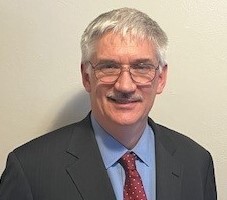
Noreen Mucha
Lead Facilitator, Wisconsin Organics
Harriet Behar
Lead Facilitator
Gary Stevens
Terrene Organics, Facilitator
John Stauner
James Lake Farms Organic Cranberries
Rami Aburomia
Atoms to Apples
Chris McGuire
Blue Roof Orchard
Sam Tilton
Glacial Drift Enterprises
Rufus Haucke
Keewaydin Farms, Driftless Curiosity & Driftless Flora
Liz Lyon
Gwenyn Hill Farm
John & Halee Wepking
Meadowlark Organics
Gary Zimmer
Carbon Cycle Consulting
Dr. Graham Adsit
Rooster Milling
Andy Rowntree
Rooster Milling
Mark Doudlah
Doudlah Farms Organics
Guy Jordaski
Retired, Organic Valley
JD Greenwalt
Westby Cooperative Creamery
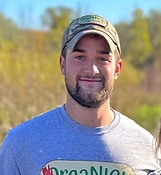
Nick Westby
OrgaNICK Pastures
Michael Gutschenritter
Prairie Gold Organic Eggs
Gary Stevens
Terrene Organics
Jamie Lamonde
Maple Valley Cooperative
Jane Stevens
Four Elements Organic Herbals
Brooke Sarmiento
BEE-OCH Organics
Sarah Larson
Naturally Wisconsin/Food Finance Institute
Mark Hope
Asymmetric Marketing LLC
Alexis Storms
River Road Organics-JLZ Produce
Brian Gronski
Farmer's Best Home Delivery
Tara Roberts-Turner
Wisconsin Food Hub Cooperative
Nicole Tautges
Michael Fields Agricultural Institute
Erin Silva
University of Wisconsin-Madison Center for Integrated Agricultural Systems
Tera Johnson
Food Finance Institute
John Hendrickson
Center for Integrated Agricultural Systems University of Wisconsin-Madison
Paul Dietmann
Compeer Financial
Allison Walent
Midwest Organic Services Association, Inc. [MOSA]
Kris Olson
Minnesota Crop Improvement Association (MCIA)
Tom Manley
Marbleseed/NRCS
Anders Gurda
Freestone Media
Kymm Mutch
Institutional Buyers (Farm-to-School)
Chris Peterson
Cashton Farm Supply
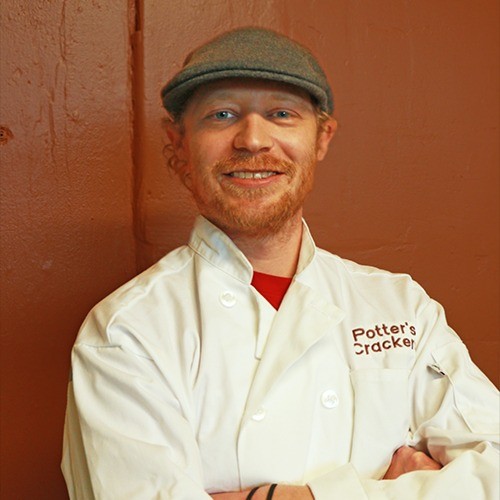
David Payne
Potter's Crackers

Key Documents

Screenshot 2026-08-08 at 2.44.02 PM
Organic Market Development
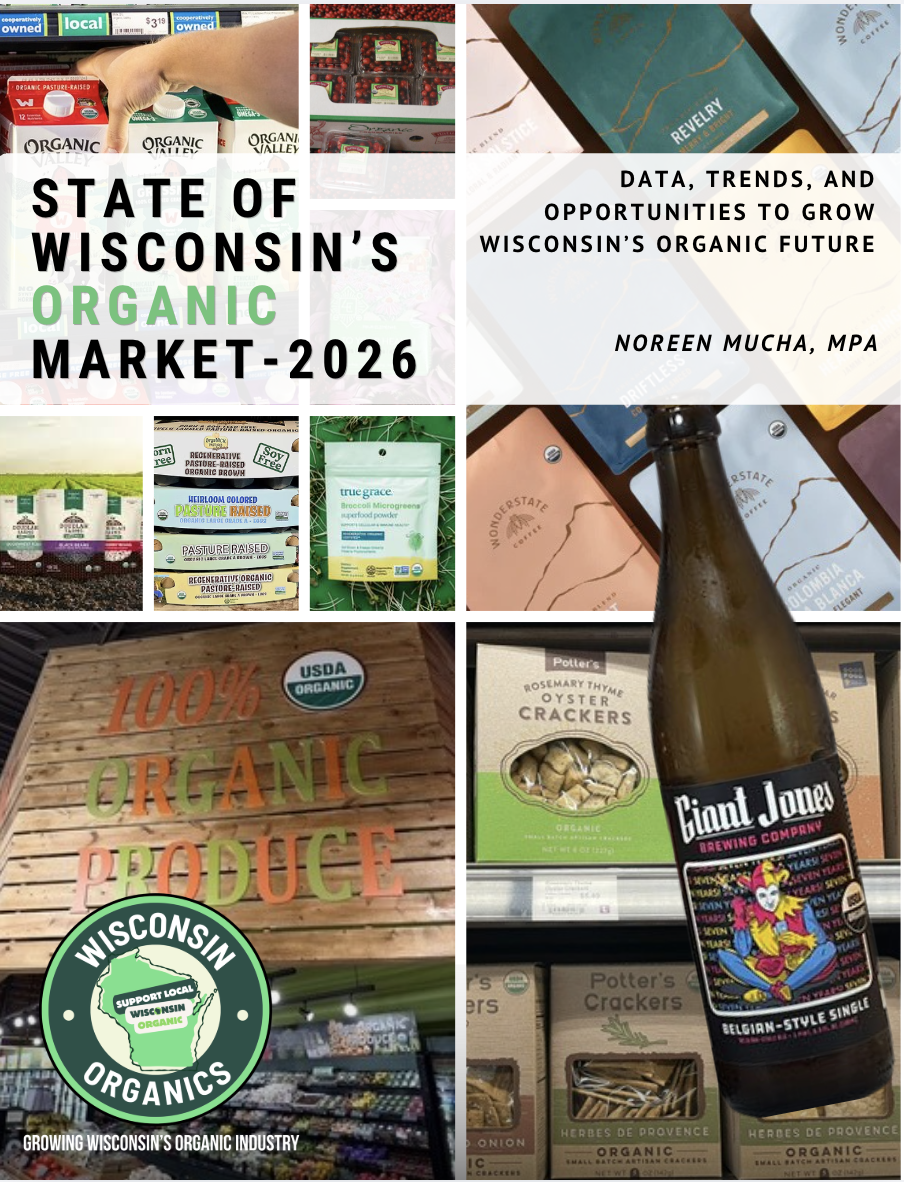
State of Wisconsin's Organic Market-2026

State of Wisconsin’s Organic Market 2026 Report examines Wisconsin’s organic market across production, processing, value-added products, agricultural inputs, retail, distribution, and industry governance. The report identifies sector opportunities and presents recommendations to strengthen and grow Wisconsin’s organic industry.
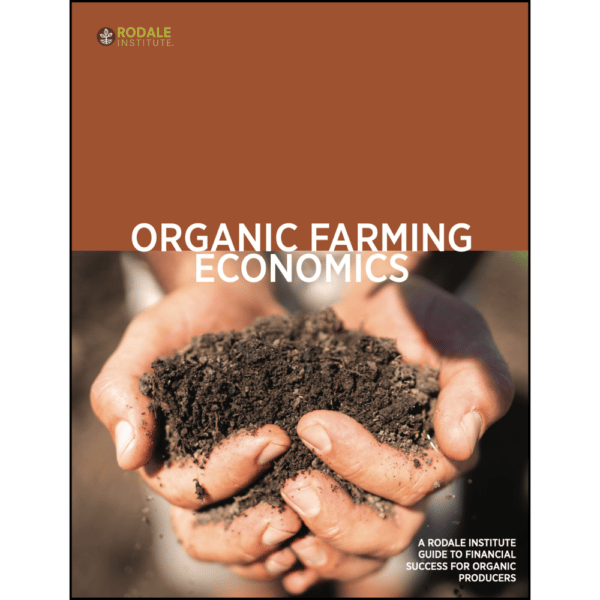
WFHC-Transport-Fact-Sheet-dtd-113023-5-725x1024
Organic Retail, Transport & Distribution
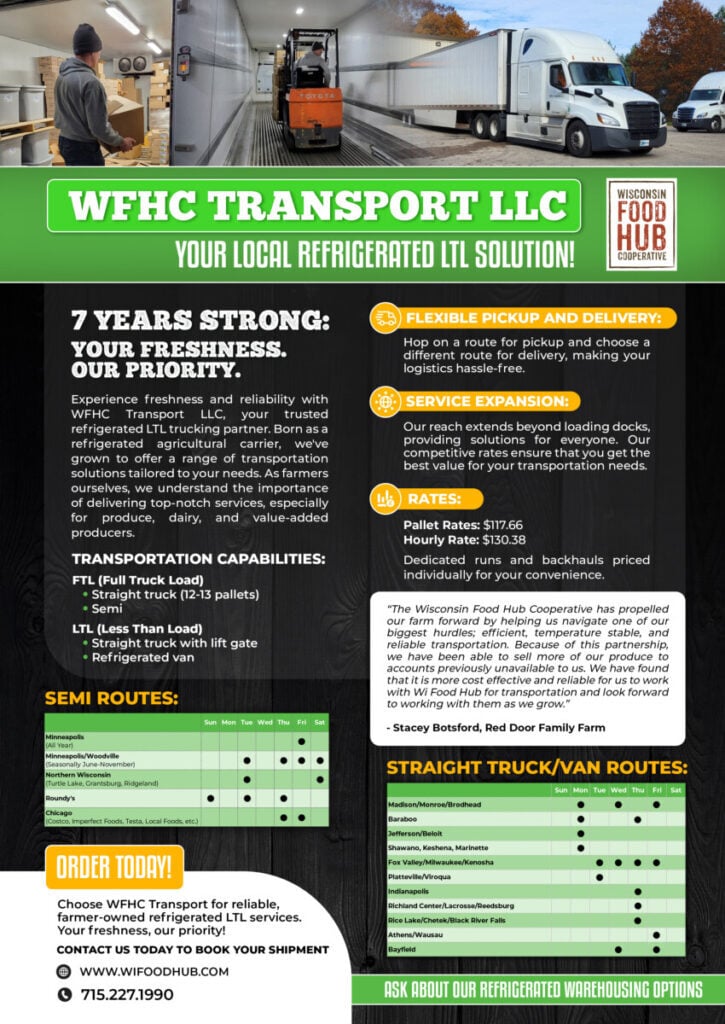
WFHC Transport LLC

WFHC Transport LLC is a refrigerated less-than-truckload (LTL) carrier that provides temperature-controlled transportation for agricultural and food products. Its services are positioned for farmers and food businesses moving produce, dairy, proteins, and other value-added products, with an emphasis on keeping shipments fresh and delivering them on time.
Screenshot 2026-08-08 at 3.47.28 PM
Organic Meat Marketing
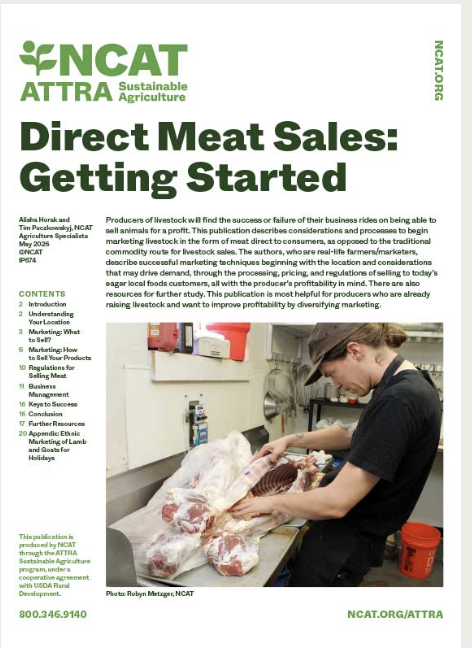
Direct Meat Sales: Getting Started

This NCAT/ATTRA guide is a starter roadmap for livestock producers who want to sell meat directly to consumers—rather than selling live animals through conventional commodity markets. Its main premise is that direct sales can improve farm profitability, but only when the producer plans for local demand, processing access, legal requirements, pricing, inventory, and customer service as a coordinated business system.

Thanks to our sponsors: