
Skip to content

Midwest Organic Value Chain Summit-2027

Building Resilient Organic Markets Across the Upper Midwest

Planned for Fall 2027 in Wisconsin, location TBD

Event Purpose

The summit’s purpose is to convene organic producers, retail buyers, distributors, certifiers, and market support organizations to build practical, recurring trade relationships and address distribution bottlenecks in a format tailored more to midwestern organic businesses. By rooting the agenda in supply chain intelligence and real market data, the event aims to accelerate onboarding of Midwest organic products into retail while protecting organic integrity in mixed supply chains.

Objectives of Summit

  1. Create a tri‑state (Wisconsin, Illinois, Minnesota) (and broader Midwest) organic market development platform that explicitly connects certified organic producers with regional retailers, distributors, and handlers at the right scale.

  2. Shorten supply chains to improve freshness, margins, and responsiveness by strengthening regional aggregation, logistics, and distribution pathways.

  3. Move from generic networking to facilitated action—using panels, mapping, and structured deal‑making sessions to generate concrete purchasing commitments, pilots, and ongoing working groups.

  4. Improve systems for smaller‑volume aggregation and transport, focusing on practical solutions to inefficiencies that currently limit access to retail channels.

Intended Audience

Farmers
Organic Farmers/Producers

Organic farmers and producers in Wisconsin, Illinois and Minnesota who are seeking clearer market pathways, regional market access, technical support, and strategic alignment to scale up organic production.

Retailers
Retailers & Food Cooperatives

National, Regional and Local Retailers and food cooperatives that carry or want to expand local organic product lines and sourcing, merchandising, and promotion.

Institutional Buyers

Institutional buyers such as large-scale food service purchasers such as schools, food banks, hospitals, and other institutions that create steady demand for organic grain, milk, meat, and produce through farm-to-institution procurement. Grain mills and processors help translate organic crops into forms institutions can use, while food banks and schools expand access to organic foods in community meal programs and cafeterias.

Handlers
Organic Handlers, Manufacturers, Co-Packers, and Processors

Organic handlers, manufacturers, co-packers, and processors that play a key role in developing and scaling the organic value chain, and who are committed to addressing regional organic supply chain challenges while promoting local organic producers that can grow to meet demand and maintain strong certification and integrity standards.

Distributors
Distribution and Logistics Partners

Distribution and logistics partners, including food hubs, regional distributors, cold‑chain providers, and transport intermediaries

Researchers
Researchers and Extension Professionals

Researchers and extension professionals focused on local organic production, economic development and value chains who want to contribute to applied research and the evidence-base for scaling-up local organic production and sales.

Certification Agencies (1)
Organic Certification Agencies

Organic certification agencies working in Wisconsin, Illinois and Minnesota that help address certification barriers and improve compliance and communication.

Input suppliers
Agricultural Input Suppliers (Organic/OMRI‑Listed)

Agricultural input suppliers (organic/OMRI‑listed) who are essential to the Midwest organic value chain because they provide the fertilizers, soil amendments, seeds, pest and disease controls, livestock care products, and sanitizers that meet organic standards and are reviewed for compliance, often through OMRI.

Market professionals
Market Professionals

Market professionals play a connecting and coordinating role in an organic value chain summit: they help translate demand signals into clear opportunities for organic producers and businesses, and identify where the market is growing or under‑served

Food Systems
Food Systems Builders

Policy advocates, food‑system coalitions, and regional ecosystem builders working on equitable food access, supply‑chain resilience, and local food economies.

Expected Outputs

  • Increased number and volume of Midwest organic products placed into regional retail channels, measured through post‑summit purchase commitments and pilots.

  • Stronger coordination between producers and distributors, including new aggregation partnerships and logistics solutions for small and medium volumes

  • Clearer, documented pathways for retail onboarding (by channel type), giving producers and buyers a shared roadmap for category development

  • Improved systems and protocols for organic integrity in mixed supply chains, co‑developed with certifiers, handlers, and retailers

  • Formation of ongoing working groups (e.g., logistics, merchandising, certification, data & market intelligence) that carry forward regional action plans beyond the event.


Core Design Principals

Regional Scale
Regional Scale & Relevance

Design content and matchmaking around Midwest markets, transportation corridors, and realistic distribution volumes, not national “one‑size‑fits‑all” models.

Action-Oriented
Action‑Oriented

Prioritize formats like speed‑dating, facilitated deal‑making, and breakout solution labs over long plenary sessions, with explicit time for commitments and next‑step planning

Supply Chain
Supply‑Chain Intelligence

Ground discussions in real data and mapping of production, aggregation, logistics, and retail nodes to reveal bottlenecks and opportunities.

Producer Centered equity
Producer‑Centered Equity

Reduce participation barriers for small and mid‑scale organic operations by minimizing costs, providing stipends where possible, and centering their constraints in session design.

Cross Sectoral
Cross‑Sector Collaboration

Intentionally blend organic producers, retailers, buyers, distributors, policy advocates, and market‑support organizations so solutions reflect whole‑value-chain realities.

Planning Commitee

Noreen Mucha
Lead Facilitator, Wisconsin Organics
Gary Stevens
Terrene Organics
Sarah Larson
Naturally Wisconsin & Food Finance Institute
Rob Karr
Illinois Retail Merchants Association
Bob Benenson
Local Food Forum
Mallory Kriegler
Organic Agronomy Training Services (OATS)
Roger Cooley
Chicago Food Policy Action Council
Cassie Dahl
Minnesota Department of Agriculture

Collaborating Partners

Certified Organic Handlers in the Midwest, 2025

Key Reports

Screenshot 2026-08-08 at 2.44.02 PM
Organic Market Development
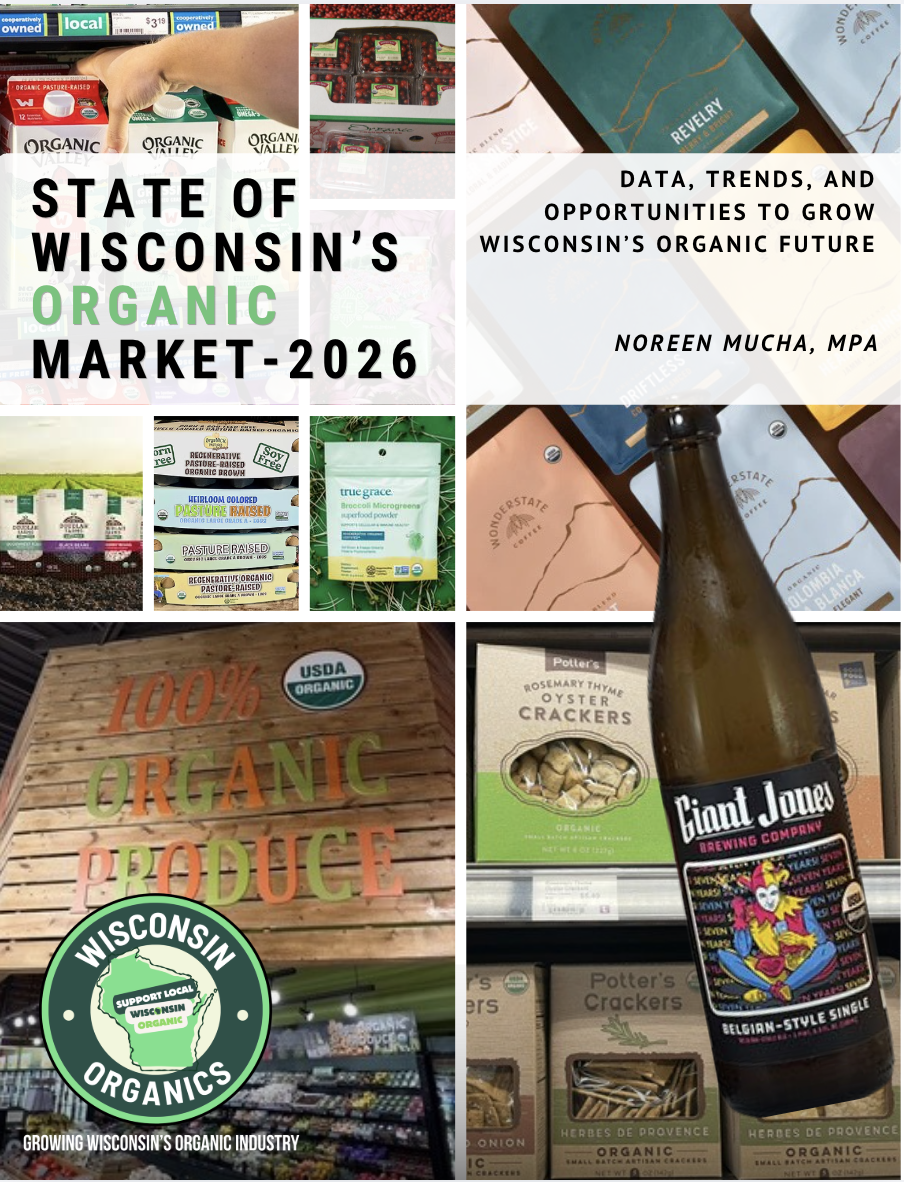
State of Wisconsin's Organic Market-2026

The State of Wisconsin’s Organic Market 2026 Report examines Wisconsin’s organic market across production, processing, value-added products, agricultural inputs, retail, distribution, and industry governance. The report identifies sector opportunities and presents recommendations to strengthen and grow Wisconsin’s organic industry.
Screenshot 2026-08-08 at 2.50.16 PM
Organic Market Development
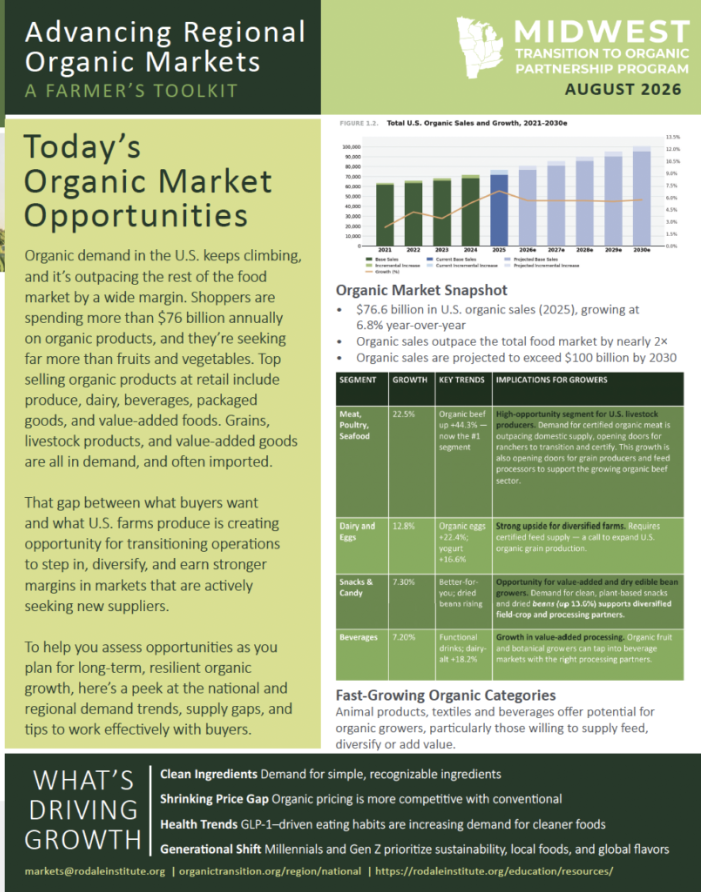
Midwest A Farmer’s Toolkit Handout 2026

Download this four-page guide to unlock more regional production of high-demand organic crops, reduce dependence on imports, and build more resilient U.S. supply chains rooted in local identity.
Screenshot 2026-08-08 at 3.03.26 PM
Organic Market Development
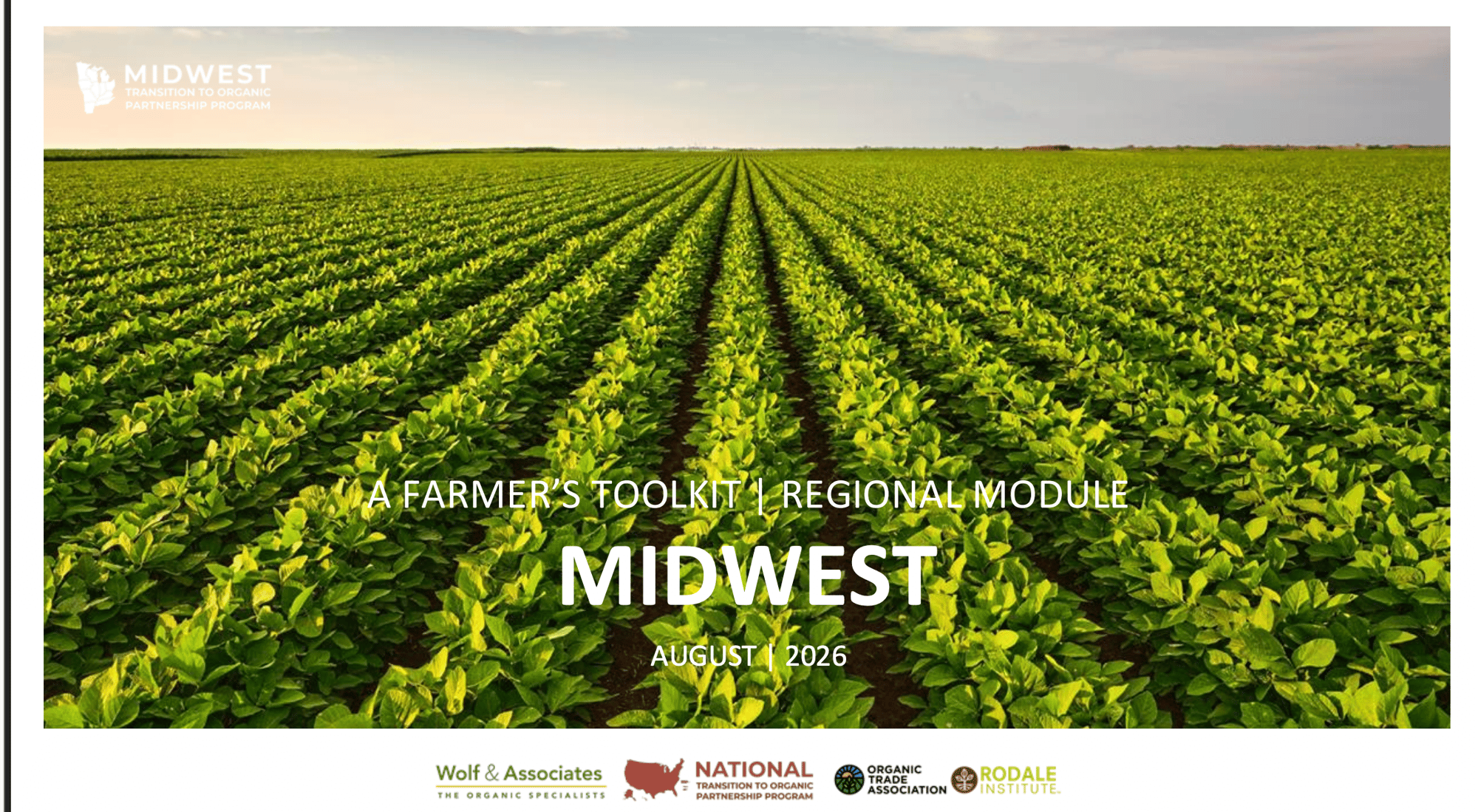
Advancing Regional Organic Markets: A Farmer’s Toolkit 2026 (Midwest)

Explore the full Farmer Toolkit for the Midwest Region to access region-specific tools that support organic market development, supply chain resilience, and long-term farm viability.
Screenshot 2026-08-12 at 2.16.27 PM
Organic Market Development
A National Farmer’s Toolkit: Buyer's Landscape-2026

Explore the full National Farmer Buyer’s Landscape Toolkit to access tools that support national organic market development, supply chain resilience, and long-term farm viability.
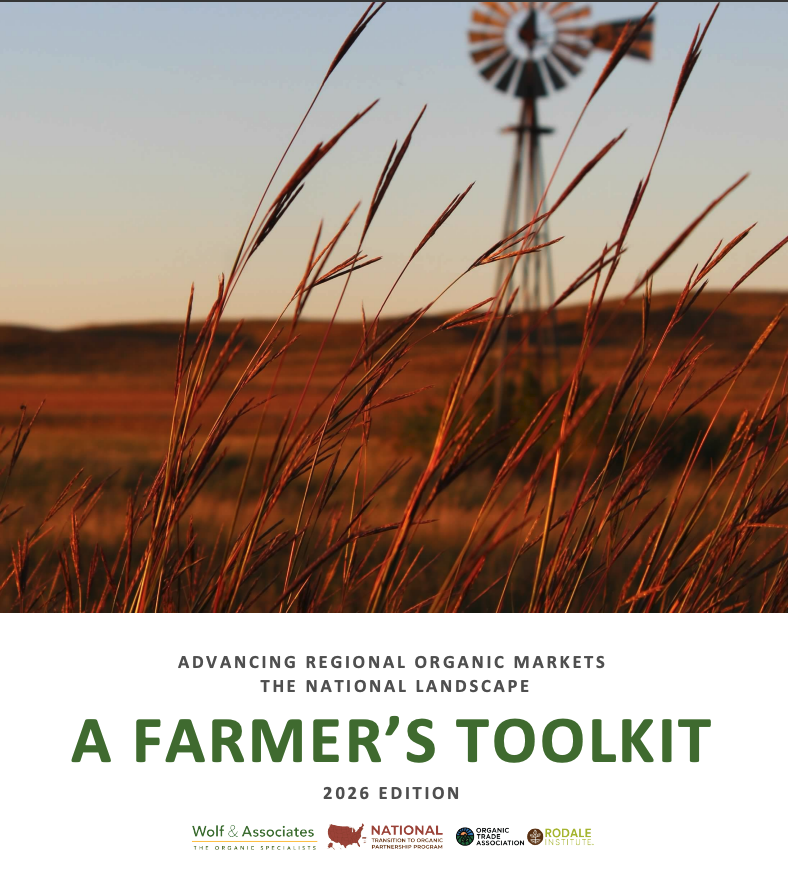
Screenshot 2026-08-10 at 12.17.24 PM
Organic Market Development
Advancing Regional Organic Markets: The National Landscape: A Farmers Toolkit

This paper is the national companion to A Farmer’s Toolkit, a set of market-development resources built to help U.S. growers understand and act on the demand for certified organic food. Where the toolkit’s slide decks present the landscape at a glance, this document provides additional information and details in a narrative format, in order to give farmers, technical-assistance providers, and partner organizations the context, the numbers, and the reasoning behind where the organic opportunity is heading as the decade reaches its midpoint.
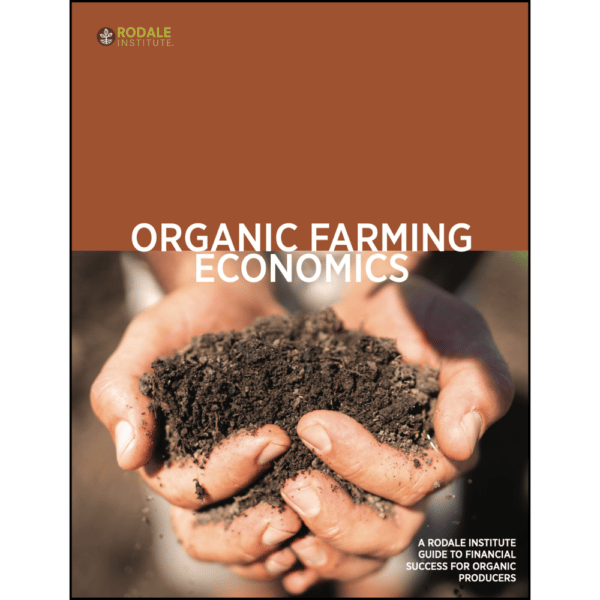
Organic Farming Economics
Organic Economics
Economics of Organic: A Rodale Institute Guide to Financial Success for Organic Producers

Organic farming isn’t just better for soil–it’s better for the bottom line. Our new Economics of Organic report breaks down the financial data, case studies, and funding pathways that prove transitioning to organic is a smart economic decision for America’s farmers.
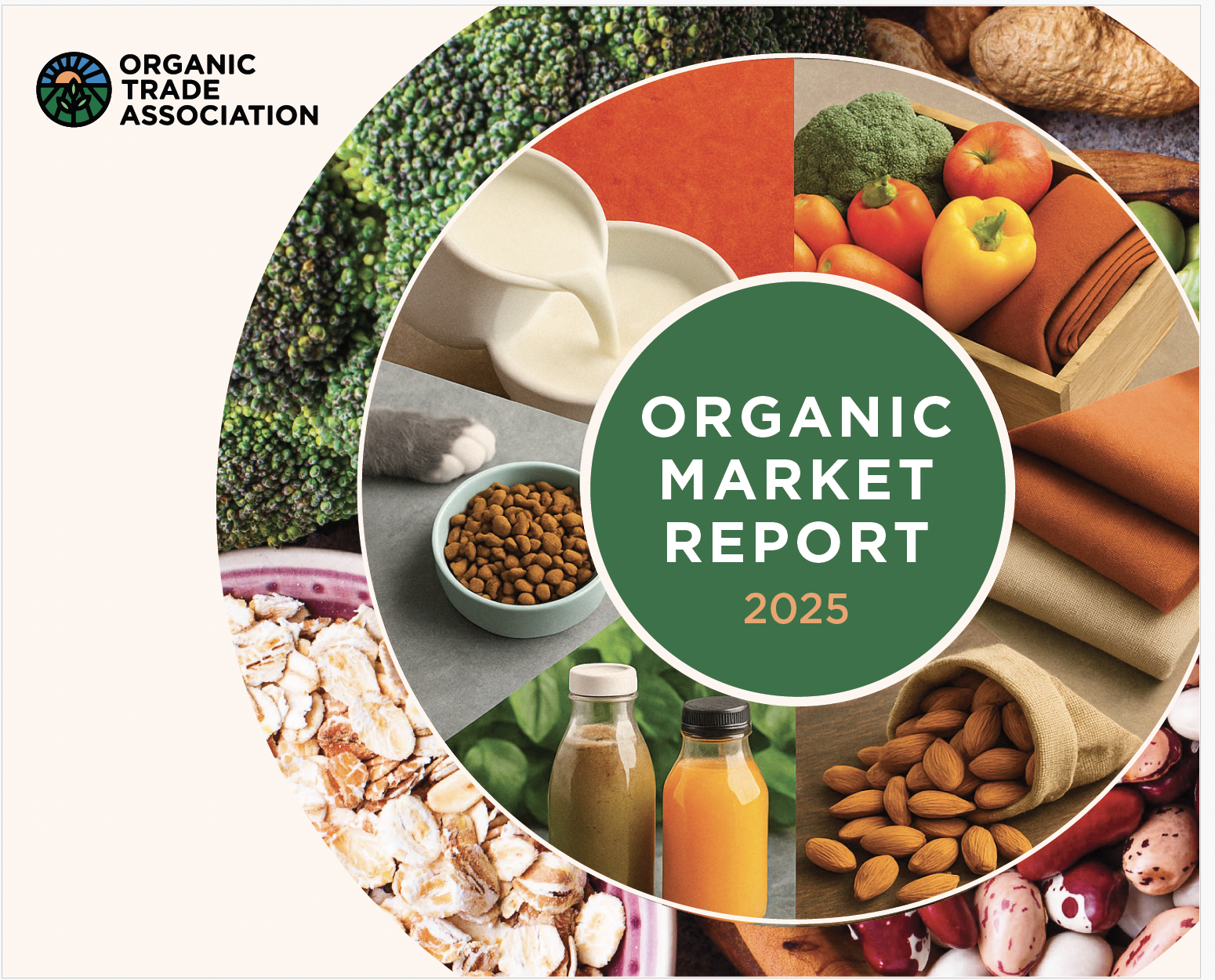
Screenshot 2026-08-08 at 2.56.08 PM
Organic Market Development
Organic Trade Association-Organic Market Report 2025

The Organic Trade Association’s 2026 Organic Market Report reveals another year of strong momentum for the organic sector, with consumer demand fueling growth across categories and organic outpacing the overall marketplace the third year in a row. In 2025, U.S. organic sales reached $76.6 billion, marking a 6.8% increase from the previous year and double the growth rate of the comparable marketplace.
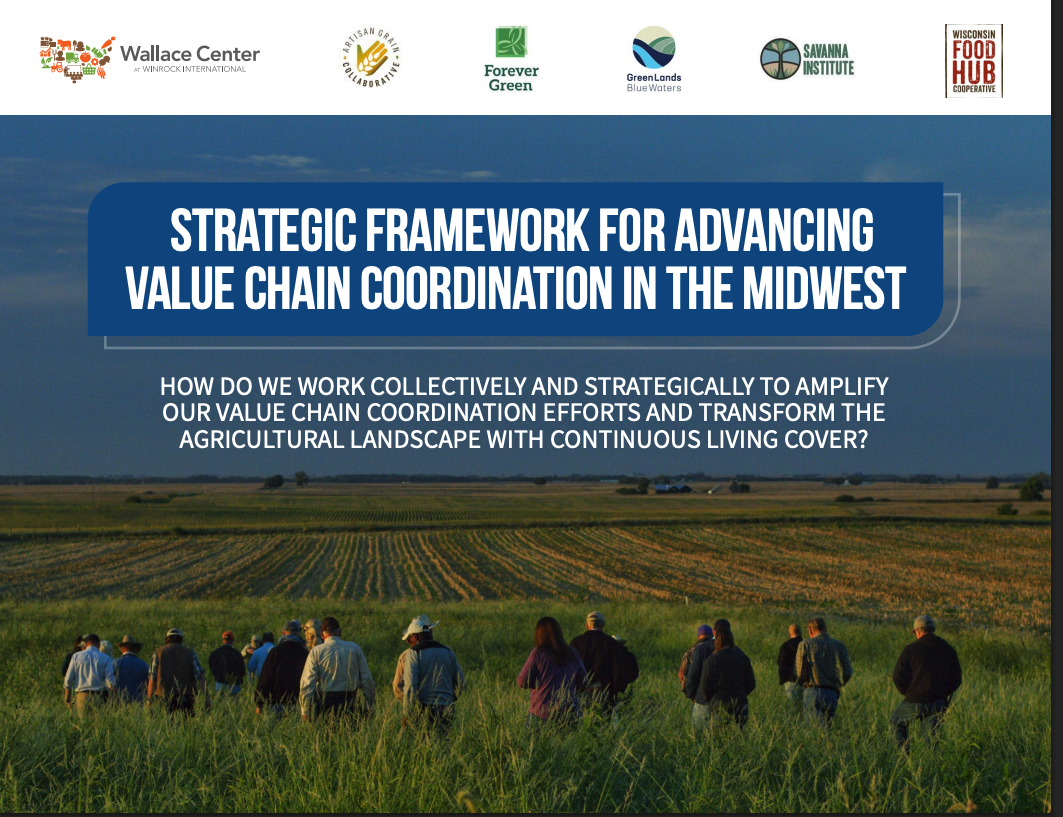
Screenshot 2026-08-31 at 11.34.46 PM
Value Chain Coordination
Strategic Framework for AdvancingValue Chain Coordination in the Midwest

This strategy document outlines a collaborative framework to strengthen Value Chain Coordination (VCC) across the region, enabling farmers, businesses, and communities to thrive in a more equitable and resilient food system. 
Organic State Profiles

Screenshot 2026-08-08 at 3.06.22 PM
Organic State Profiles
Illinois Organic State Profile

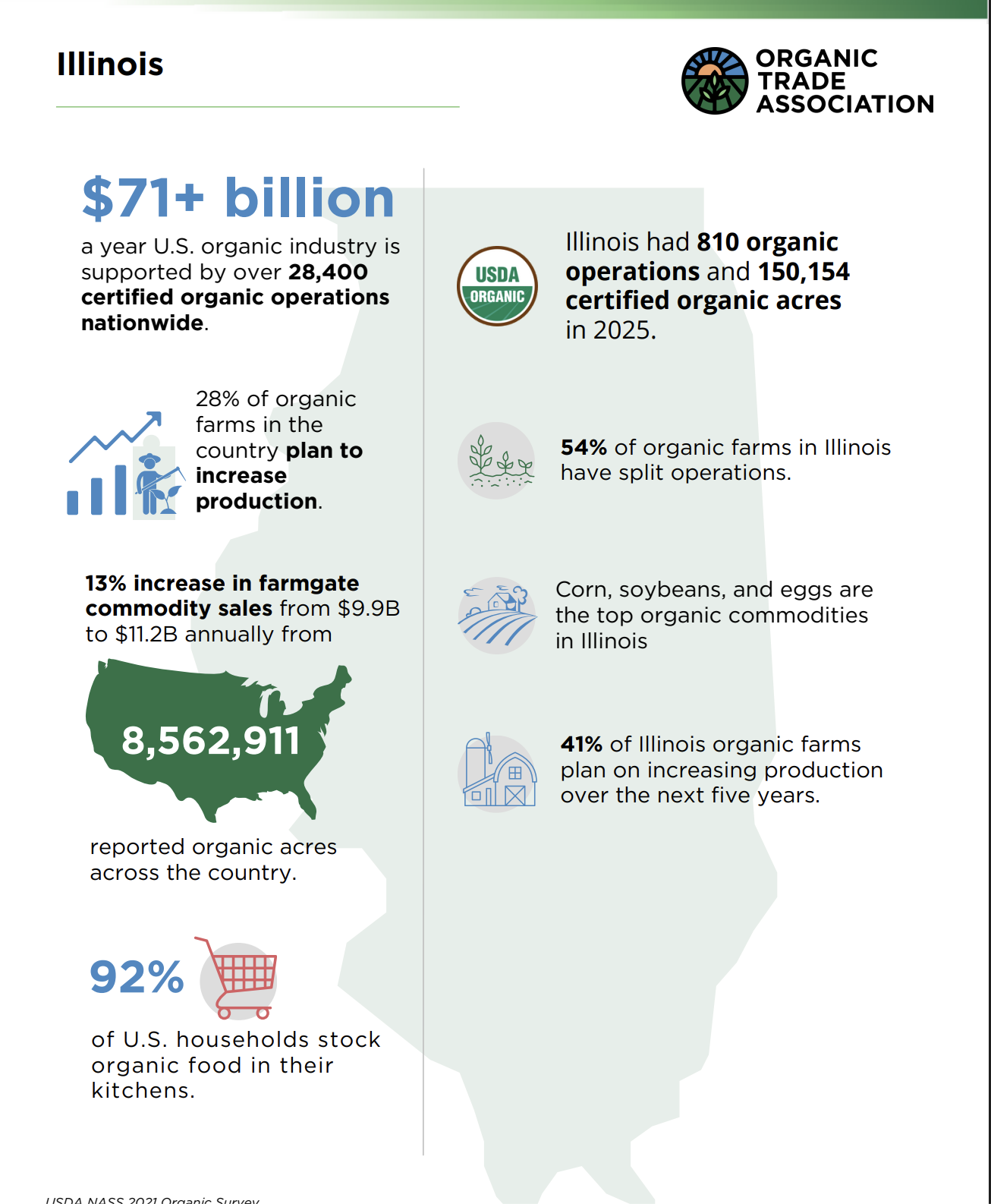
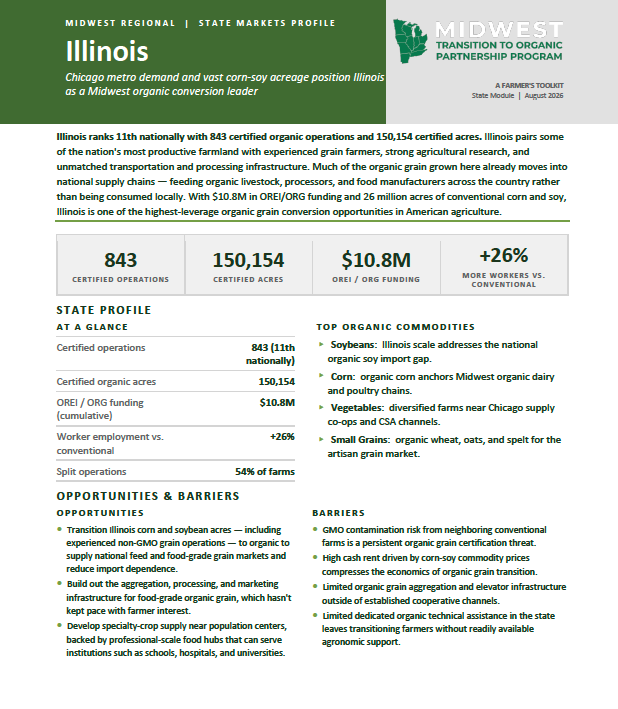
Illinois has a sizable and growth-oriented organic sector: 810 certified organic operations managing 150,154 certified organic acres as of July 1, 2025. Corn, soybeans, and eggs are the state’s leading organic commodities, and 41% of Illinois organic farms expect to increase production within five years.
Organic State Market Profiles

Screenshot 2026-08-10 at 1.46.16 PM
Organic Market Development
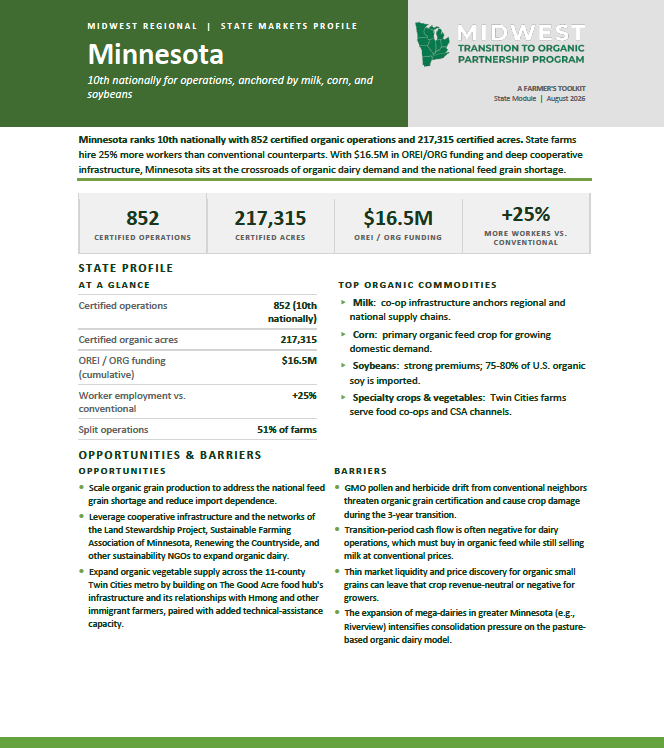
Minnesota Organic Market Profile

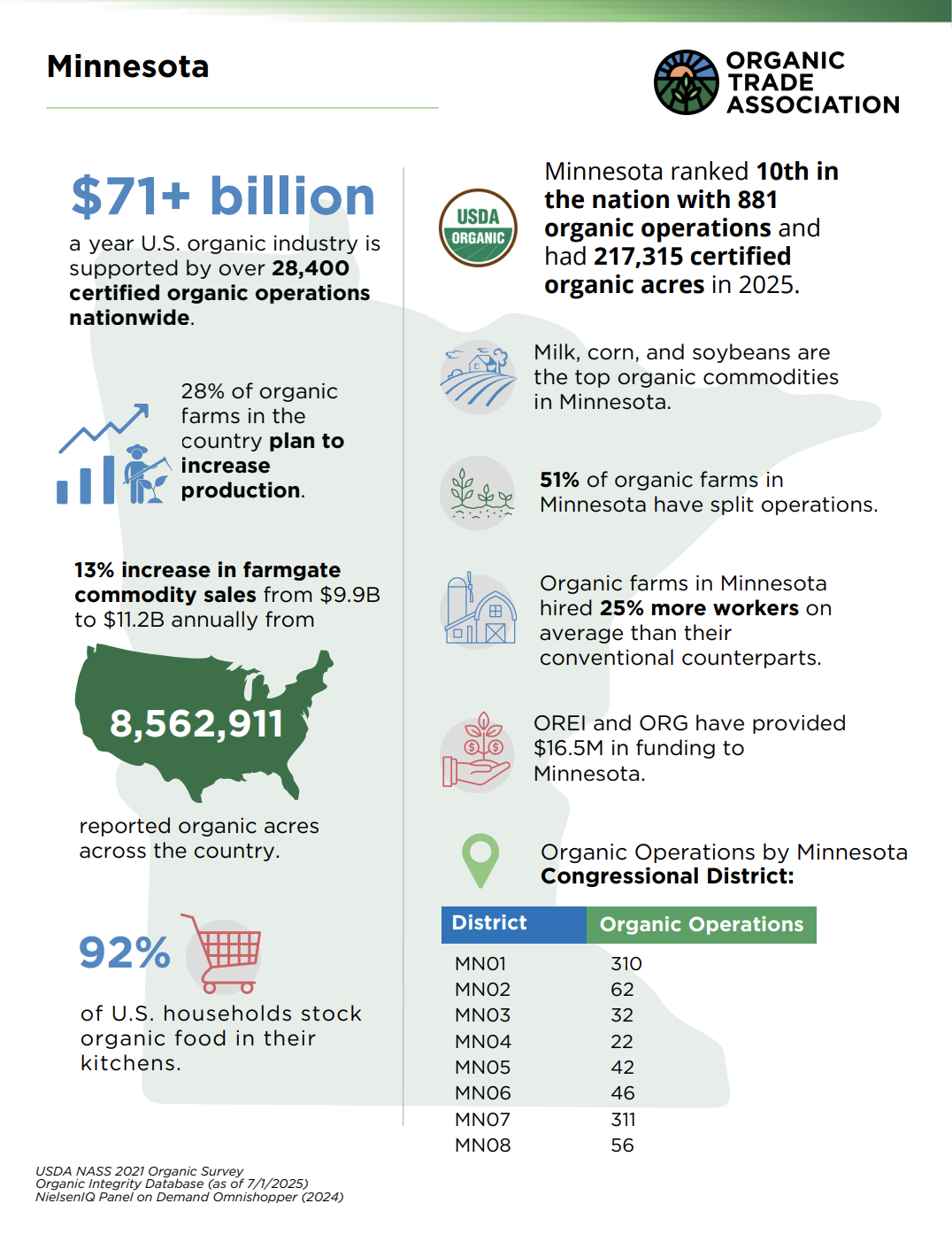
Minnesota is a major Midwest organic producer, ranking 10th nationally with 852 certified operations and 217,315 organic acres; its dairy co-ops, organic feed crops, and $16.5 million in research and extension funding create a strong base for growth. Key opportunities include expanding organic grain production to ease the national feed shortage, strengthening organic dairy, and increasing vegetable supply for the Twin Cities through food-hub and immigrant-farmer partnerships. Primary challenges are GMO and herbicide drift, difficult transition economics for dairy farms, weak small-grain price discovery, and consolidation pressure from large dairies; extensive support is available through farmer organizations, the Minnesota Department of Agriculture, UMN Extension/MISA, and Midwest TOPP
Sponsorship Opportunity

We are currently seeking sponsors to help support the Midwest Organic Value Chain Summit.

Sponsorship packages will range from accessible options for smaller farms and mission‑aligned businesses to higher‑visibility opportunities for anchor sponsors, with benefits such as brand recognition, inclusion in summit materials, and visibility across the regional organic network.

Your support will directly underwrite summit management, planning, outreach, and resource development, helping us convene producers, businesses, and partners to strengthen and scale the Midwest organic value chain.

Thanks to our sponsors: